
The Habit Behind Good Hydration: Timing Over Volume

In the Rio Grande Valley, "drink more water" is advice almost everyone has heard and almost everyone still gets wrong. Not because people aren't trying, but because the advice is too generic to be useful once you factor in 100-degree summers, a workout, or just an unusually demanding day. How much fluid your body actually needs isn't a fixed number. It's a moving target based on your activity, the temperature, your overall health, and how much you personally sweat.

Hydration Needs Aren't One-Size-Fits-All
The "eight glasses a day" rule persists because it's easy to remember, not because it's precise. Research on fluid replacement consistently points to the same conclusion: hydration needs vary significantly from person to person, and general guidelines are a starting point, not a prescription. Two people doing the same workout in the same South Texas heat can lose noticeably different amounts of fluid and sodium through sweat sweat rate and sweat sodium concentration are both highly individual.
That variability is exactly why timing and consistency tend to matter more than hitting an exact ounce count.
What Actually Changes Your Fluid Needs
A few factors do most of the work in determining how much you need to drink on any given day:
Activity level and intensity — the longer and harder you're working, the more fluid and electrolytes you're losing through sweat.
Temperature and humidity — heat and humidity increase sweat losses independent of how active you are, which matters most months of the year here in the RGV.
Overall health — fluid needs shift with fever, illness, pregnancy, and certain medical conditions; general recommendations assume a healthy baseline.
Individual sweat rate and sodium loss — this is the most overlooked variable. Sweat sodium concentration alone can vary several-fold between individuals, which is part of why "just drink water" doesn't fully solve the problem for everyone.
When Electrolytes Actually Matter
Plain water is the right default for most of the day. But after prolonged exercise or heavy sweating, water alone doesn't replace what you've lost sodium and other electrolytes matter too, particularly following longer or more intense sessions. For a short walk or a normal indoor day, that's rarely necessary. For a long run in July heat, a full shift on your feet, or back-to-back training sessions, it's worth paying attention to.
Better Signals Than Waiting Until You're Thirsty
Thirst feels like it should be a reliable alarm system, but research shows it's a late and sometimes inconsistent signal it becomes less reliable with age, and factors like heat, fatigue, and stress can dull it further. By the time you feel thirsty, you may already be behind.
Two better everyday indicators:
Urine color — pale, straw-colored urine is generally a sign of adequate hydration; darker urine is a sign to catch up. It isn't a lab-precision measurement, but it's accurate enough to be genuinely useful as a daily check.
How your body feels — energy level, focus, and whether you have a headache or feel unusually fatigued are all worth paying attention to alongside the more objective signals.
The habit worth building isn't "drink water when thirsty." It's "check in with these signals throughout the day, before you feel depleted."
A Simple Way to Build the Habit
None of this requires tracking every ounce. A few small, consistent habits do most of the work:
Spread your intake across the day rather than trying to catch up with a few large glasses.
Keep water visible and accessible a bottle at your desk or in the car removes the "I forgot" excuse.
On high-heat days or after heavy sweating, add a source of electrolytes rather than relying on water alone.
Do a quick urine-color check once or twice a day as your low-effort hydration gauge.
Consistency beats intensity here, the same way it does with most recovery habits, small, repeatable choices tend to outperform occasional, all-or-nothing effort.

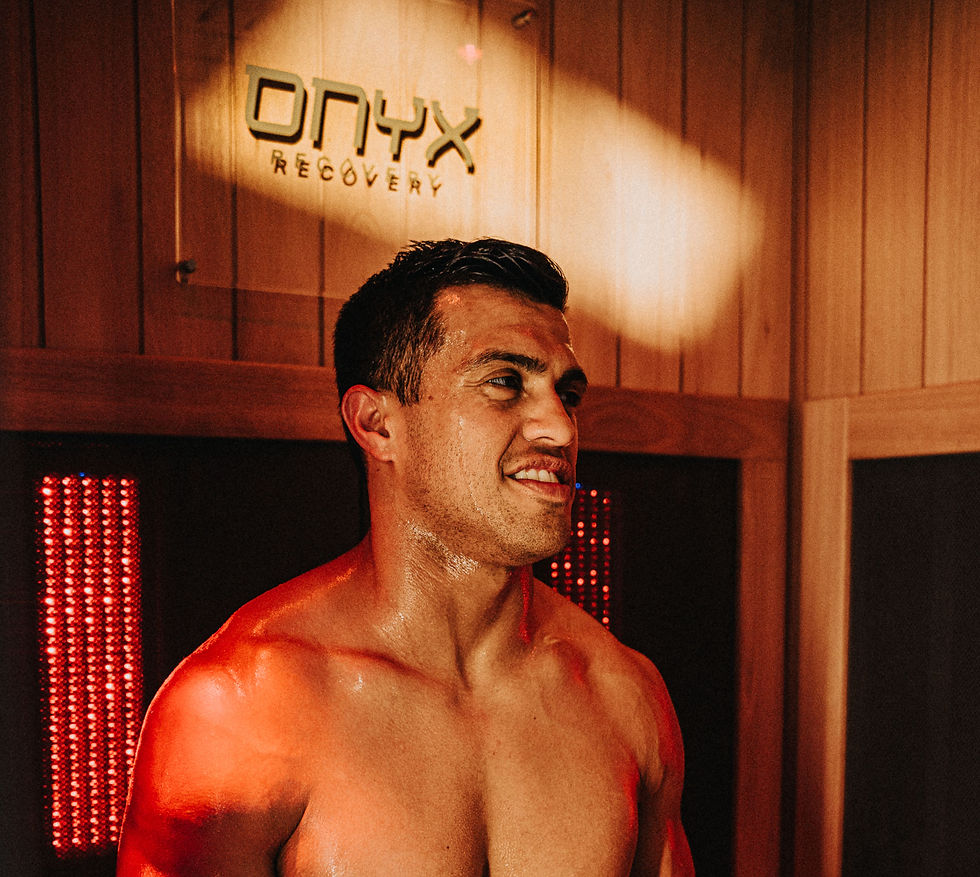
Whether you're adjusting your routine for the RGV heat or just want a quiet space to reset after a demanding week, Onyx Recovery's wellness services are built around exactly that kind of consistency. Book your next session online →
--This article is for general educational purposes and isn't a substitute for personalized medical advice. If you have a health condition that affects your fluid or electrolyte needs, talk with your healthcare provider.--
References
Mayo Clinic — Water: How much should you drink every day?
American College of Sports Medicine — Position Stand: Exercise and Fluid Replacement, Medicine & Science in Sports & Exercise
Centers for Disease Control and Prevention — About Water and Healthier Drinks
NIH News in Health — Hydrating for Health
Human Performance Resource Center (HPRC) — How to Accurately Assess Hydration Status Using Urine Color Charts

Comments