
Nervous System Regulation: 2026's Biggest Wellness Trend (And What It Actually Means)

If "nervous system regulation" feels like a phrase you've suddenly started seeing everywhere social media, podcasts, wellness spaces you're not imagining it. The Global Wellness Summit named it one of the defining wellness trends shaping 2026, and it's quickly becoming the lens through which a lot of recovery and wellness work gets talked about. Here's what it actually means, and how it connects to services you may already be using.

What "Nervous System Regulation" Actually Means
Your autonomic nervous system runs on two main modes: sympathetic ("fight or flight," alert and activated) and parasympathetic ("rest and digest," calm and restorative). Most people move between these states dozens of times a day without thinking about it a stressful email, a long commute, a hard workout. "Regulation" simply refers to the body's ability to move between these states appropriately and return to baseline afterward, rather than getting stuck in an activated state.
Wellness-industry trend reporting has picked up on this concept significantly this year the Global Wellness Summit's 2026 trends report explores what it calls "The Rise of Neurowellness," describing nervous system regulation as one of the fastest-growing conversations in the wellness space, spanning everything from consumer wellness tech to hands-on, in-person modalities.
The Physiology Behind It
This isn't just trend-speak, there's real physiological research behind why cold and heat exposure affect the nervous system the way people describe. A recent peer-reviewed study on water immersion and heart rate variability (HRV) found that immersion — particularly combined with facial immersion measurably increases vagally-mediated HRV, a recognized marker of parasympathetic (calming) nervous system activity. In simpler terms: certain temperature-based practices have a measurable effect on the body's stress-response system, not just a subjective "felt calmer" effect.
How This Shows Up in a Recovery Session
None of this requires any special technique it's built into services many people already use:
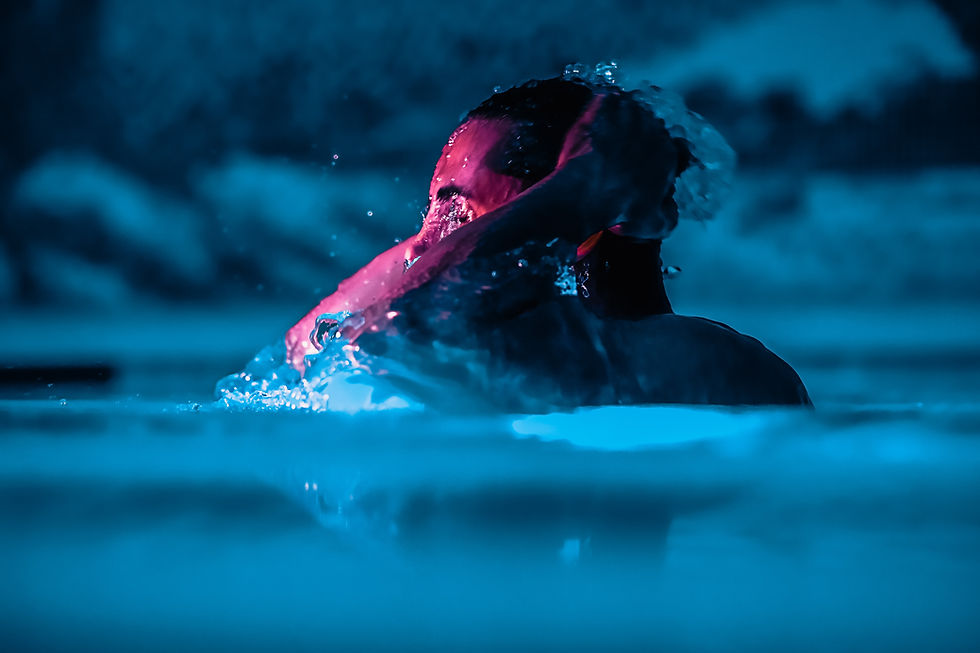
Cold plunge triggers an initial sympathetic (alert) response, followed by a parasympathetic rebound as the body recovers part of why people often describe feeling clear-headed and calm afterward, not just "shocked."
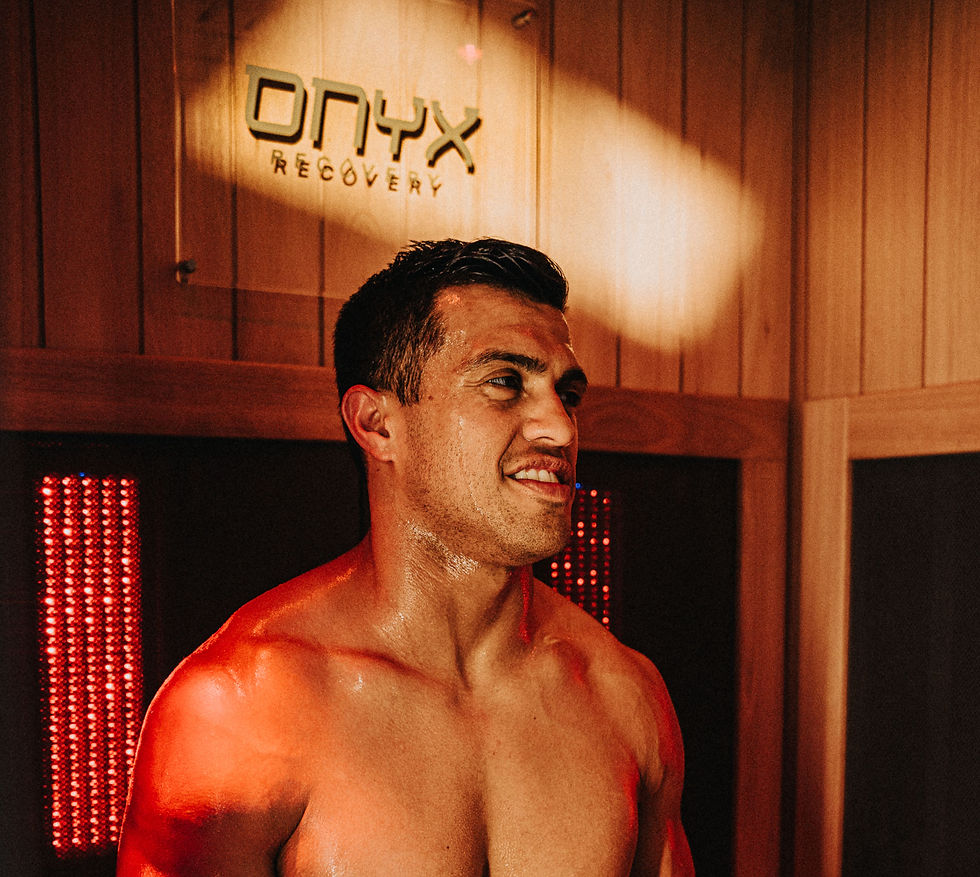
Infrared sauna works through a different pathway passive heat exposure that supports relaxation and circulation over a longer, steadier session.
Red light therapy offers a lower-intensity, passive option for people who want the wind-down effect without an intense physiological trigger.
Why This Matters Beyond the Trend Cycle
Regardless of how long "neurowellness" stays a headline term, the underlying idea isn't going anywhere: chronic, unregulated stress affects sleep, mood, and physical recovery over time. Structured practices that give the nervous system a clear "reset" — on a consistent basis, not as a one-time fix are simply a practical way to build that back in.
Reply and tell us — had you heard the term "nervous system regulation" before this, or is this the first time it's been explained in plain language? We'd love to know.
SOURCES & REFERRAL LINKS
Global Wellness Summit — "The Rise of Neurowellness" (2026 Trends Report): https://globalwellnessinstitute.org/press-room/press-releases/global-wellness-summit-releases-10-wellness-trends-for-2026/
Forbes — "Why Nervous System Regulation Has Become Wellness's Latest Obsession" (June 2026): https://www.forbes.com/sites/meggenharris/2026/06/21/why-nervous-system-regulation-has-become-wellnesss-latest-obsession/
Peer-reviewed research — "Effects of Adding Facial Immersion to Chest-Level Water Immersion on Vagally-Mediated Heart Rate Variability" (PMC): https://www.ncbi.nlm.nih.gov/pmc/articles/PMC11946671/
Onyx Recovery booking: https://onyxrecoveryrgv.com/onyx-recovery-landingpage

Comments